THE PROJECT
“Over 7,000 years ago, the first settlers arrived at Freixo do Meio, probably coming from the Tagus estuary, and sowed the very first seeds of the agro-pastoral way of life. These groups established small family-based farms, apparently organized into neighborhood communities, systematically settling in places marked by large granite outcrops.”
— Manuel Calado (Consultor Científico)
You are about to become part of a rare project in Europe, where archaeological research is intrinsically connected with other dimensions of the environment.
At Herdade do Freixo do Meio, the study of Early Neolithic remains seeks to explore the Alentejo landscape and understand the many ways humans adapted to it. The Early Neolithic was the very first moment in human history when people deliberately sought to influence the production of natural resources. Yet, throughout the millennia in which this period lasted, the use of ecosystems left only a reversible footprint, always respecting the rhythms and needs of nature. By studying these traces in depth, we can enrich scientific research and support the protection of the Alentejo landscape, inspiring more sustainable ways of living in it.
The archaeologist Manuel Calado began his work in Herdade do Freixo do Meio in 2020, launching an archaeological survey project to better understand humanity’s passage through this region. Over two years, his research uncovered an extraordinary wealth of evidence, laying the foundations for mapping and reconstructing the timeline of human occupations and movements across the Montado.
The aim now is to continue this work, broadening and deepening the excavation area, and gradually reveal new insights into the ways humans once inhabited this landscape.
If you want to know more about the Neolithic in southern Iberia:
Blog “Um lugar na pré-história“
Article “O sítio do Neolítico antigo da Valada do Mato (Portugal)“
THE TEAM
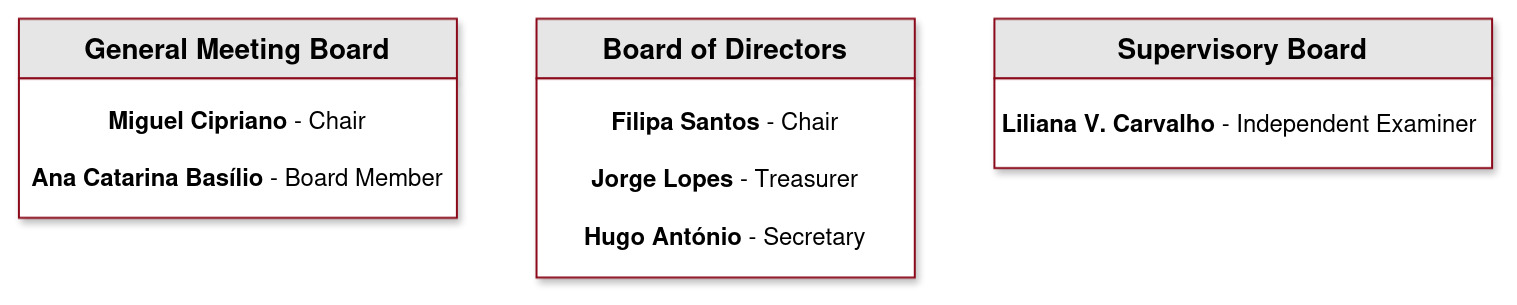
Meet the co-operatives
Herdade do Freixo do Meio
Herdade do Freixo do Meio is a shared-management space that has practiced organic farming since 1997, aiming to regenerate the Alentejo landscape known as the Montado.
Encompassing environmental education, nature conservation, permaculture, holistic grazing, agroforestry, and the use of alternative resources (such as acorns), and supported by various research institutions, Montado do Freixo do Meio has for decades served as a Living Laboratory of Agroecology. It has been officially recognized and strengthened with Protected Area status.
Among its core values is the mission to conserve and enhance natural resources, including biodiversity, climate, and the atmosphere, while reducing erosion and pollution of the air, soil, and water through the application of appropriate techniques; to create and preserve native livestock breeds; and to use local seeds and plant varieties whenever possible.
ARCUS
ARCUS is a co-operative of cultural management professionals, working since 2022 to innovate the ways in which historical and archaeological heritage is studied, preserved, and shared.
ARCUS combines a co-operative tradition with innovation in the field of cultural heritage. We are a team of specialists committed to the prevention, safeguarding, promotion, research, and dissemination of this shared legacy, while fostering both cultural value and the socio-economic development of our members. Our multidimensional vision embodies the essence of a multi-sector co-operative, continuously striving for innovation.
Meet the archaeologists
Filipa Santos
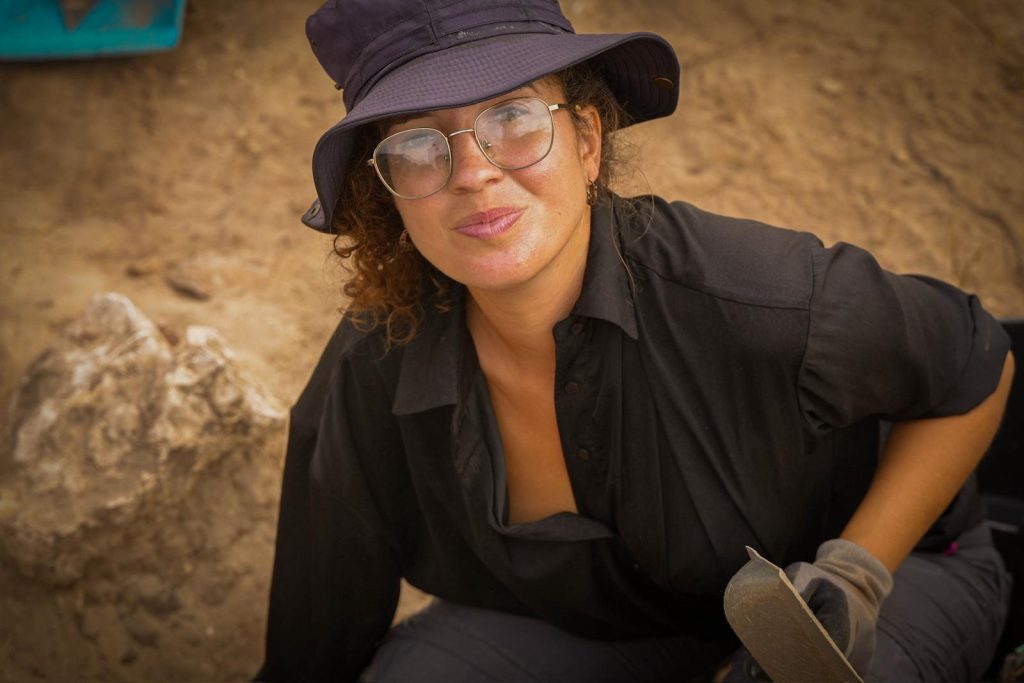
Filipa Santos has an MA in Archaeology from Lisbon University, focused on pottery. She has been dedicating her professional life to both Cultural Heritage management and Rescue archaeology in urban and rural contexts in Portugal, Spain and Mozambique.
She worked for several years in the Enhancement project of an archaeological site in Alentejo (Portugal), where the scientific research became the foundation for science communication projects and educational initiatives, partnering with schools, theaters, and local associations.
Also, she has worked in Managing Cultural Impact Studies in Mozambique. She has also participated in several digs and projects in Portugal and Spain contributing to the research of archaeological sites from Prehistory, Iron Age and historical times.
Filipa is part of ARCUS since 2023.
Nelson Almeida
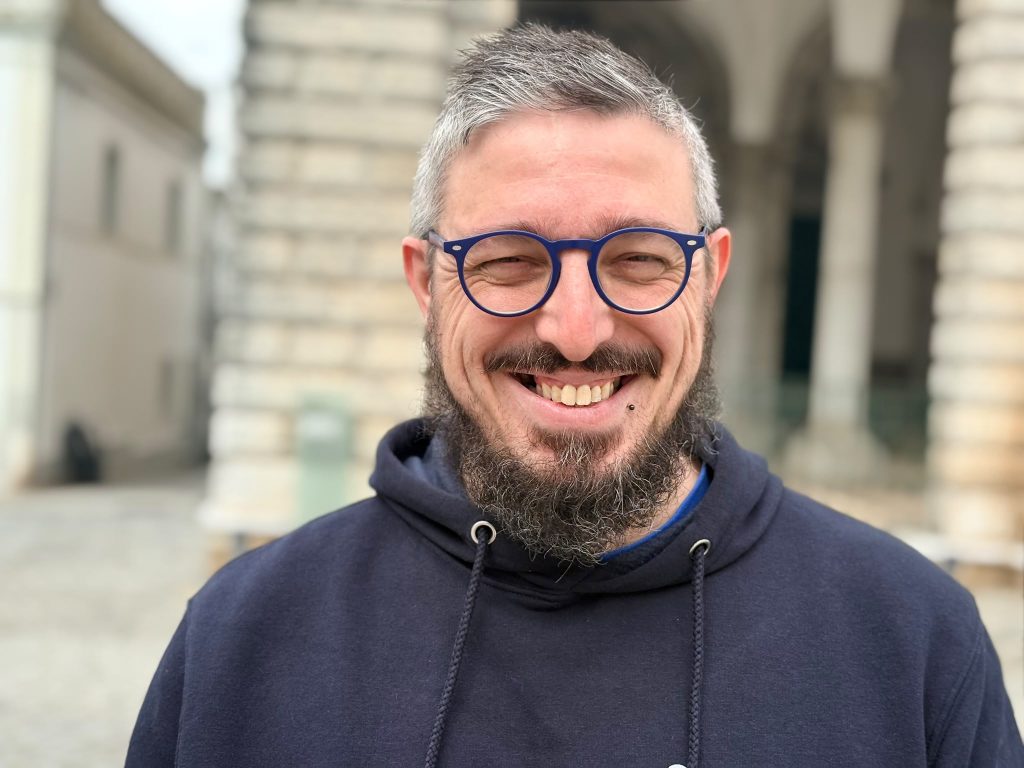
Nelson J. Almeida is an Assistant Professor at the Department of History of the University of Évora. He received his PhD in Quaternary, Materials and Cultures from the University of Trás-os-Montes e Alto Douro, in 2017. His research is focused on Iberian Late Prehistory and Protohistory and human-animal relations.
He works on Western European Late Prehistory, with research spanning archaeological fieldwork, material culture, and zooarchaeological analysis. His work explores long-term human-animal relations, combining empirical data with interpretative and relational approaches, with particular interests in subsistence, social practices, and the role of animals in past societies.
He is currently a researcher at CHAIA (Centre for Art History and Artistic Research)) and UNIARQ (Centre for Archaeology from the University of Lisbon).
Nelson has been part of the co-operative ‘O Legado da Terra’ since its founding in 2022.
Catarina Basílio
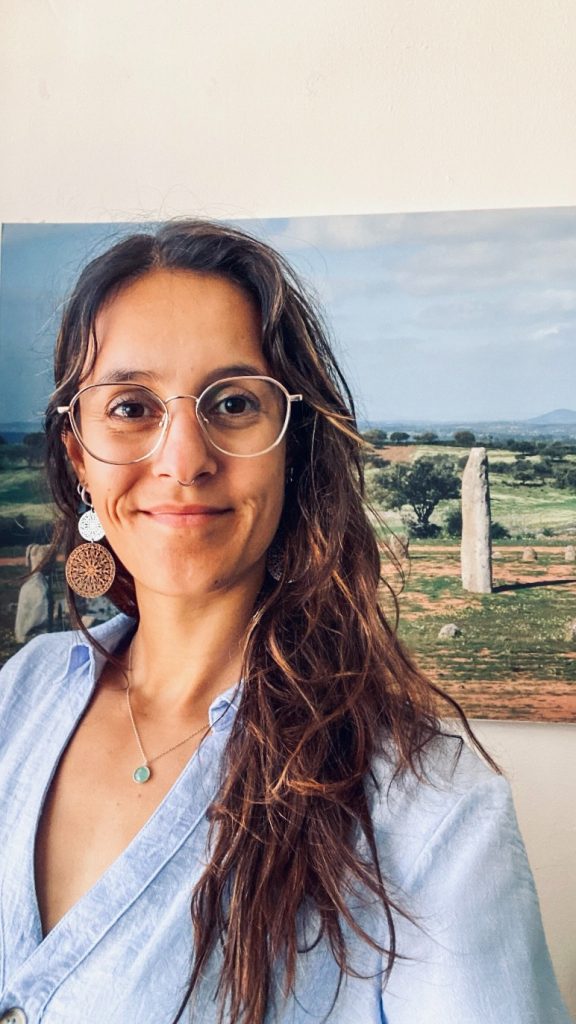
Ana Catarina Basílio is an archaeologist, researcher, and professor at the University of Évora. Currently, she works for the Municipality of Reguengos de Monsaraz, where she focuses on researching, protecting, and promoting the region’s archaeological heritage.
Her research centers on the major transformations that defined the transition between the Chalcolithic period and the early Bronze Age in southern Portugal—a topic she explored in her PhD, conducted at ICArEHB (University of Algarve), with her defense scheduled soon.
Between fieldwork, academia, and community engagement, she seeks to understand the past while finding new ways to bring it closer to people. Her work particularly emphasizes the Chalcolithic and early Bronze Age in southern Portugal, with a special focus on the Bell Beaker phase.
Catarina has been part of ARCUS since its founding in 2023.
Manuel Calado – Scientific consultant from Freixo do Meio
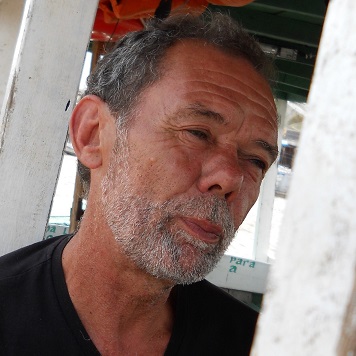
Manuel is a distinguished archaeologist and historian, whose career has been marked by significant contributions to the study of prehistory and archaeology in Portugal. His work is widely recognized for excavations and studies of megalithic monuments, particularly in the Alentejo region, focusing on dolmens, stone circles, and menhirs, and has significantly advanced the understanding of the prehistoric societies that inhabited the Iberian Peninsula. He holds a PhD in History and Archaeology from the University of Lisbon and is currently a guest professor at IPS and a guest professor at FBAUL.
He works with Herdade Freixo do Meio since 2020 and was responsible for the first archaeological researchs in this lands. He has been exploring experimental archaeology techniques, aiming to simulate life in a settlement over 7,000 years old in Freixo do Meio, which you will be able to visit and be part of.
LIFE ON THE PROJECT
Students will live together at Herdade Freixo do Meio, close to the archaeological site. During the week we will dig in the morning (7.30 am to 1 pm), then head to the canteen for lunch. In the afternoons, you will have different propositions depending on the day: there will be afternoons to just rest and relax, enjoying the countryside side; others to acquiring knowledge through experimental archaeology activities, laboratory work and artifact inventory; and others will be for sharing knowledge with workshops on traditional activities such as basketry and pottery.
Herdade do Freixo offers a truly unique experience, fset within a spirit of cooperation and shared purpose. While the program runs, life on the estate daily rural life — from farming to shepherding and more — will continue as usual.
Students will be invited to experience this collaborative atmosphere with guided tours of Herdade do Freixo and involvement in its daily life.
On the weekends we reserve one day only dedicated to rest and relaxation, being the other a tour day to visit towns, museums, and archaeological sites in the district of Évora.
At the end of the project, you will be able to:
ROOM AND BOARD
Get On Board
The project has two programs of two weeks each. The 1st program happens from the 14th to the 27th March and the 2nd program happens from the 5th September to the 18th Septemeber 2027.
Flying to Lisbon and getting to Herdade do Freixo do Meio
For the 1st Program
On March 14thth everyone will meet in the Lisbon airport to be driven to Herdade do Freixo do Meio, in Foros de Vale Figueira (Montemor-o-Novo). This means that you must arrive in Lisbon by March 14th, no later than 3 pm.
At the end of the project, you will be dropped off at the Lisbon airport on March 27th, 2027.
For the 2nd Program
On September 5th, everyone will meet in the Lisbon airport to be driven to Herdade do Freixo do Meio. in Foros de Vale Figueira (Montemor-o-Novo). This means that you must arrive in Lisbon by September 5th, no later than 3 pm.
At the end of the project, you will be dropped off at the Lisbon airport on 18th Septemeber, 2027.
General advice
We highly recommend flying into Lisbon a few days early if possible, to get over jet lag and to explore this beautiful city and its surroundings.
It is important to remember that for long-distance flights (such as from Australia and the United States) you will likely need to depart your home city on the day before your expected arrival. If you are unable to arrive by March 14th (for the 1st program) or by the September 5th (for the 2nd program), you will still be able to join the project. You will just have to take the bus (about 1 hour) from Lisbon to Montemor-o-Novo.On the last day, alternatively, from the airport, we can drop you off in the city centre if you plan on staying in Lisbon for a few days after the project.
Please don’t hesitate to contact us about any of these details. We can always set up some alternate arrangements depending on the needs of the group.
Rooms and routine
Rooms
The rooms will mostly accommodate two or three students each due to limited space. Rooms will be separated by gender. Outside of the bedrooms, the rest of the house—including the kitchen, bathroom, and living room—is communal. The students will be responsible for keeping the house clean and tidy and for doing their own laundry.
Meals
The project provides 3 meals a day on weekdays. Breakfast will be eaten at the house and students are expected to prepare this meal themselves (ingredients such as cereal, yoghurts, toast, etc. will be provided). We will eat lunch and dinner at the local canteen. On weekends, the meals can take place in town or other places, depending on the tours. Only if necessary, students may be asked to prepare their own meals (the team providing the necessary ingredients). Students should expect to eat the traditional cuisine from the Alentejo region. The project will do its best to accommodate dietary requirements, but students must inform us of any dietary requirements or allergies in their forms. We are able to accommodate vegetarian diets, but any other diets must be discussed before the start of the project.
Things to Bring to Portugal
Here are some suggestions on what to bring to the project as well as for useful everyday items. The town of Foros de Vale Figueira has a supermarket which sell basic amenities. The bigger town of Montemor-o-Novo has different supermarkets and multiple discount stores. Tools will be provided by the project, so there is no need to bring your own.
Dig – Related Items
Everyday Items
APPLICATION
The tuition for the 2-week program 1520 EUR and includes room, board, weekly meals, transportation within Portugal, tours and a contribution for the research and pedagogical project in Herdade do Freixo do Meio.
We are currently seeking applicants for the first season of digging a neolithic village at Herdade do Freixo do Meio. We are looking for a fairly small team, so apply early! Prior experience in archaeology is not required – everyone is encouraged to apply. Feel free to contact us for additional information.
Application Deadline: January 15th, 2027, for the 1st program, and June 15th, 2027, for the 2nd program.
The application comprises the following:
To apply, either:
- Download and fill in the Application Form then send it attached to a email back to us.
- Send an email to filipa.ar.santos@arcus.pt with the documents attached.
CONTACT US
If you need any aditional information just contact us!